
EGS Lesson Eight Developing strumming and chord changes
EGS Lesson Eight Developing strumming and chord changes
The next three chords that we will learn are: D, A and E. The chord boxes for these new chords are shown below, together with their multimedia files.
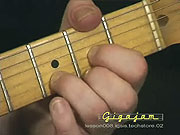
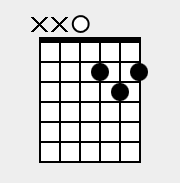
Notice which bass note is played in each chord. The third lowest string is the D string (4th string), and so we strum the chord of D from the open D string.

|

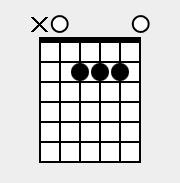
The second lowest string on the guitar is the A string (5th string), and so we strum the chord of A from the open A string.
|
|
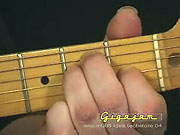
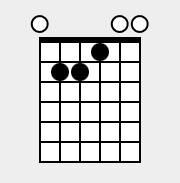
The lowest string on the guitar is the E string (6th string ), and so we strum the chord of E from the open E string.
|
|
To learn these three chords thoroughly, we need to again practice strumming the chord slowly, making sure that each note plays clearly without buzzes.
Remember that an open string is so named as it does not have a finger on it and is therefore left open to ‘ring’.
As with the four chords learnt in Lesson 7, ensure that each finger in each chord is not touching another string. This is the most common reason for strings not sounding clearly. Once you feel comfortable with the form of these chords let us practise them. Play along with the media files to help fluency, timekeeping and accuracy of sound.



|

|
|

|
|
